
The AI inception: why "predictable" marketing is a risk for your program
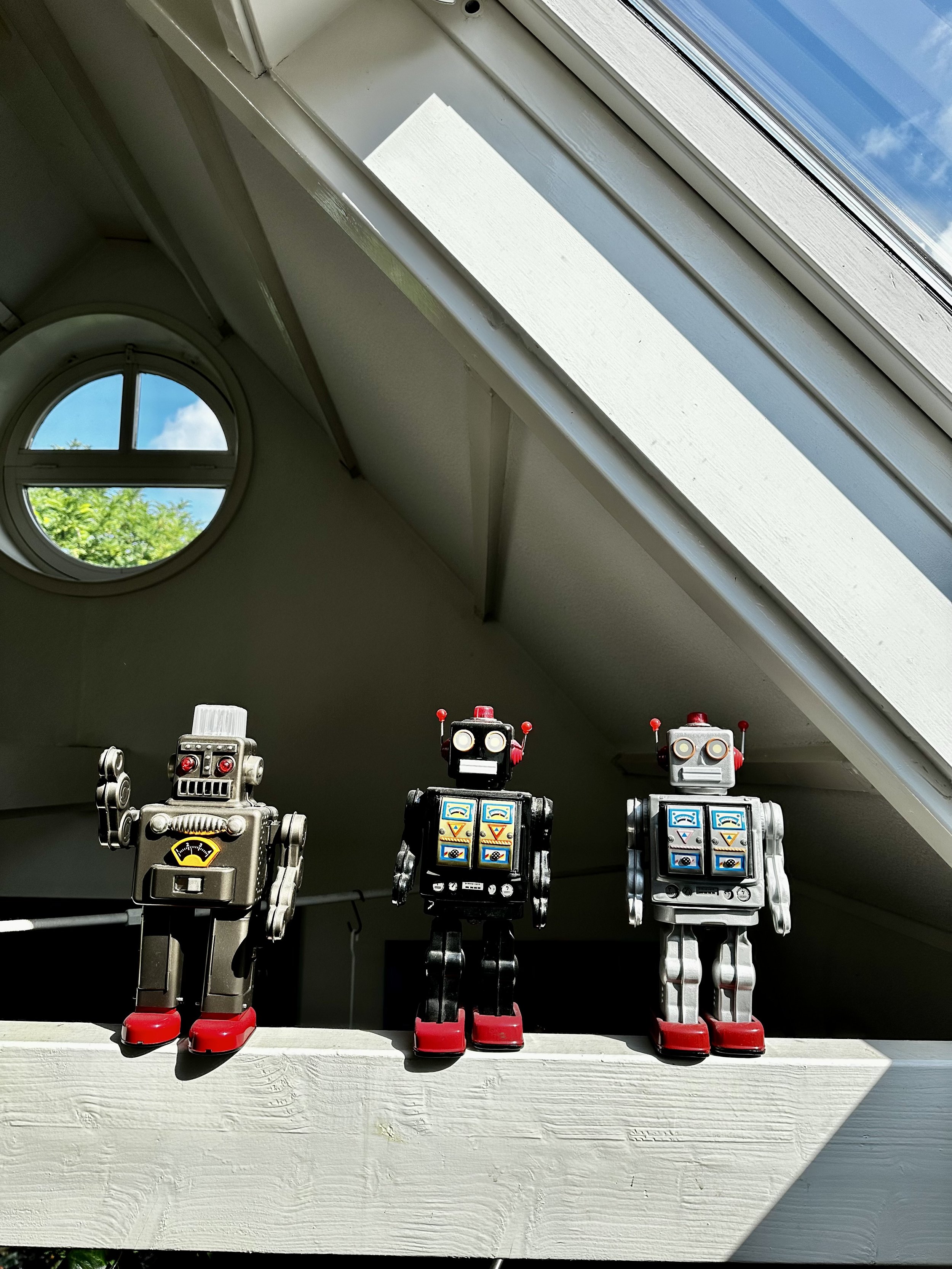

I have a confession: part of me wanted to launch this blog as a Tumblr-style vault of fandom culture and multimedia chaos. It sounds more fun, right? But the marketer in me knows we need to talk about the reality of SEO and the "thought leadership" landscape in 2026.
Specifically, I need to talk about why I’ve reached my limit with the current state of LinkedIn.
Back in 2019, when I started posting on LinkedIn at a large testing organization, it felt like a novel way to connect with clients. It was human. Today? I open the app and it’s a hall of mirrors. It’s an AI-generated "thought leadership" post, reshared by an AI-generated caption, with a string of automated AI comments underneath. It’s AI inception, and it’s a total productivity and trust killer.
“When you generate copy from a tool designed to be predictable, your brand becomes invisible.”
Marketing for non-robots
Don’t get me wrong: I’m not an AI hater. We use it at ACMC for speed and structure. But there is a dangerous trend in the certification world where programs are using AI to replace the "soul" of their communication.
When you generate copy from a tool designed to be predictable, your brand becomes invisible. For test programs that rely on validity, rigor, and human expertise, "invisible" is a dangerous place to be. Authenticity is a strategic requirement.
Here is how we’re advising our clients to implement "truth" back into their marketing:
1. Own a point of view
Audiences and candidates can smell a lack of direction from a mile away. Report on the industry and have an opinion. POV pieces are conversational, interesting, and inherently un-automatable. If your program doesn’t stand for a specific perspective, you’re part of the noise.
2. Treat brand as reputation insurance
A strong brand is the "good karma" of the business world. It’s earned through consistency and human connection, not through a prompt. In an era where anyone can generate a "professional" sounding post, your reputation is the only thing AI can’t replicate.
3. Use the "bar stool" test
Tell a story using a problem-solution-outcome structure, and write it like you’re talking to a peer. If you wouldn’t say it out loud to a colleague over a mocktail, don’t publish it. AI is built to be "average," but your program’s impact is anything but average.
Why the "Tumblr energy" matters
I keep thinking about Tumblr because it was a place of high individualism and real connection. As we move further into 2026, the programs that "save time" by automating their entire personality will lose the most important metric: trust.
AI can help you with the "what" and the "when," but it can never replace the "why" that makes your program essential. Remember your audience first, then let the tools fill in the gaps.